De Gaulle: I write your name
- October 21, 2026
- Alastair Benn
The second part of Antonin Baudry's de Gaulle epic is a fitting tribute to the men and women who saved France.
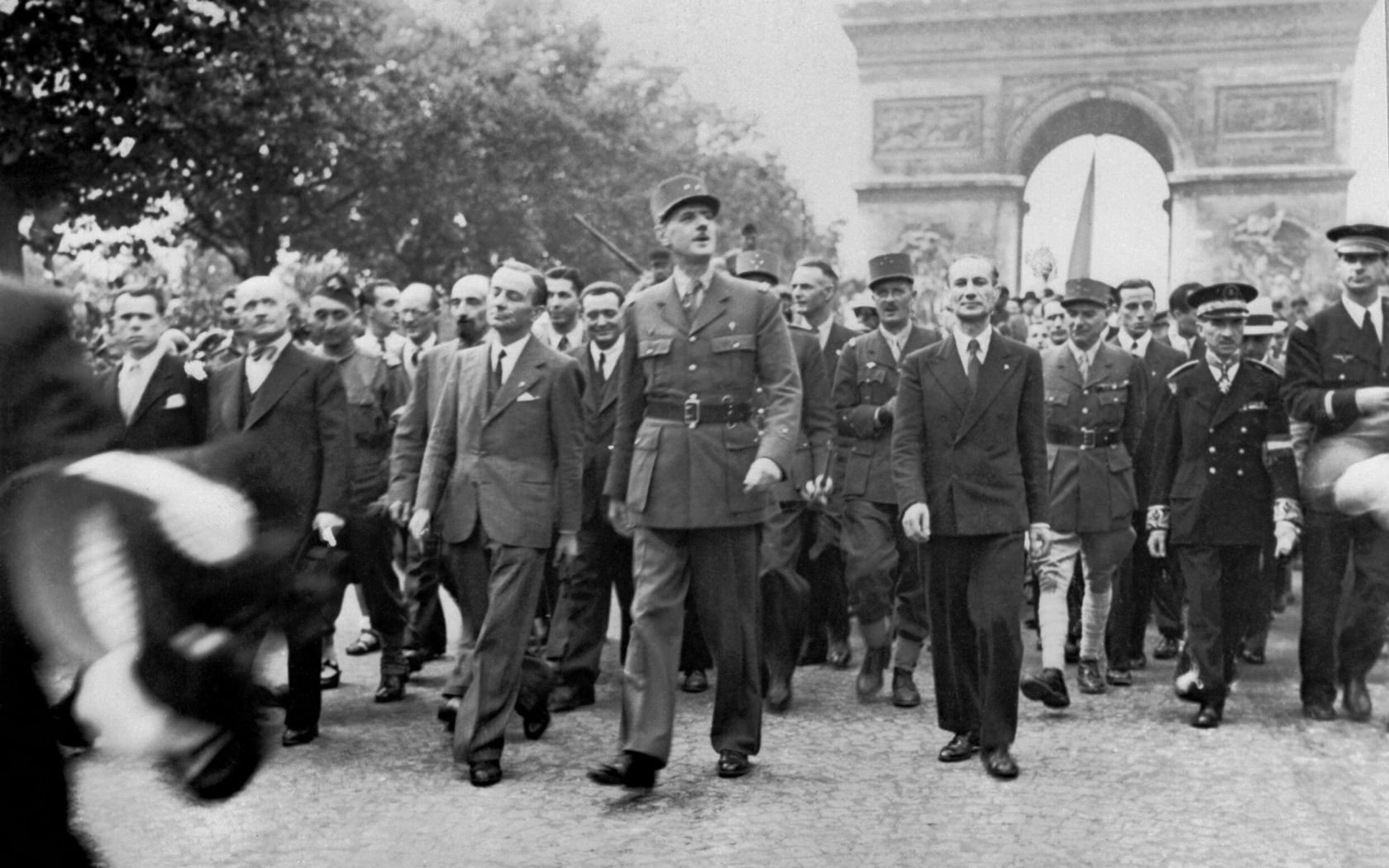
The second instalment of Antonin Baudry’s two-part biopic of General de Gaulle, De Gaulle: Liberté, is, if anything, even better than the first, De Gaulle: Résistance – in which de Gaulle manoeuvres his way into the driving seat of the French cause, loses it, then seizes it back.
The Second World War had many dimensions: Americans striving to bring peace to a faraway continent; the British Empire waging war on three fronts; and here, restored to the historical record, the extreme heroism of French forces, embodied in a standout performance by Niels Schneider as General Leclerc (he admits crying at the premiere). Félix Kysyl, as the Resistance leader Jean Moulin, bears an uncanny resemblance to the man himself.
It is a story told with undeniable emotional force: the bloody mission of the Free French to liberate the sons and daughters of France from domination, torture and despair, by any means. The French subtitle is ‘J’écris ton nom’, a reference to the poem ‘Liberté’ by Paul Éluard, published in 1942 during the German Occupation. It is a fitting and beautiful climax to a superb pair of films, which pay fine tribute to a band of men and women who were exceptional by any century’s standards. One of the stanzas reads: ‘On gilded images / On the weapons of warriors / On the crown of kings / I write your name.’
Edwin Muir’s Homeric shades
The underrated Orcadian poet Edwin Muir’s First Poems reveal a talent already mature and worldly (he was 37 when they were published): steeped in the culture of old Europe and looking back to an older Scotland of rich emotions, fire and brimstone. ‘Ballad of Hector in Hades’ is a particularly accomplished early instance of a Homeric obsession that runs through all his later work.
Farewell to Dylan?
Any artist’s debut is interesting, and Bob Dylan’s flawed first studio album, Bob Dylan (1962), is no different. For all the hoochie-coochie, ramblin’-man posturing, some tracks show how much promise he had. I’ll be at London’s Royal Festival Hall in December to see him perform, in what may well be a farewell (though with Dylan, never say never). His life’s work is deeply bound up with the musical traditions of the British Isles. On ‘Highlands’, from Time Out of Mind (1997), a song whose opening borrows from Robert Burns, he sings: ‘I’m gonna go there when I feel good enough to go’. There is something of the lost paradise in the way Dylan sings about Europe, a heaven left behind and longed for from the American vastness.


